https://online.vaidicpujas.org/s/store/courses

2024年7月30日星期二
Suchetha Sa-Chetah Prakritim至高意識( 第五意識)成為意識的本性.
Suchetha Sa-Chetah Prakritim
至高意識( 第五意識)成為意識的本性.
Anusuya 完美之眼.非挑剔之眼,才能領受恩典.
Apprayathana不是努力
Acha不渴求
Akinchan甚麼都不是I am nobody.
Bhakyuaa tv ananyayaaShakhya 透過虔誠奉獻有可能.
matkarmakrin matparamo madbhaktah sangavarjitah nirvairah
做我的事/想著我/虔敬我/不依戀/不與人為敵
2024年7月23日星期二
Gurupoorima上師滿月
Dear Gurudev:
Happy Gurupoorima!
Acharya師父給“shiksha”(知識),但上師給“diksha” 點化,這是意識的高度。 大師不會用知識填滿你,而是點化你的生命力。 在Guru 上師面前,你變得更加活躍,你身體中的每個細胞都變得活躍。 這被稱為“diksha”。 這是智慧的高度,而不是資訊的高度。 Acharya給你資訊和知識,但大師召喚智慧,而不僅僅是智慧。 智力的頂峰是智慧,喚醒智慧。 因此,大師喚醒了智慧,而不是資訊。
心靈與月亮相連,滿月是完成和慶祝的象徵。 因此,Guru Purnima是弟子在飽滿和清醒中醒來的日子。 在那種覺醒中,他只能心存感激。 這是“Advaita”不二元(唯一)的感激之情,對合一的感激之情。 這不像一條河流從一個地方移動到另一個地方。 它是一個內部移動的海洋。 感恩和Guru Purnima象徵著學生和弟子的充實。 並以感激之情慶祝。
An acharya gives 'shiksha' (knowledge) but a guru gives 'diksha', which is the height of awareness. A guru simply does not stuff you with knowledge but kindles the life force in you. In guru’s presence you become more alive, every cell in your body becomes alive. That is called 'diksha'. It is the height of intelligence and not information. An acharya gives you information and knowledge but a guru invokes intelligence and not just the intellect. The pinnacle of intellect is intelligence, awaken intelligence. So, a guru awakens intelligence, not information.
Mind is connected with the moon and the full moon is a symbol of completion and celebration. So, Guru Purnima is the day when the disciple wakes up in his fullness and wakefulness. In that wakefulness, he can’t be but grateful. And it is the gratitude of 'Advaita', of oneness. It is not like a river moving from one place to another. It is an ocean moving within itself. Gratefulness and Guru Purnima symbolise the fullness of the student, of the disciple. And celebrates in gratitude.
2024年7月10日星期三
Namah Prannava-Arthaaya Shuddha


https://www.youtube.com/watch?v=VJlkfZMzvSE&ab_channel=SriSriShots
The chant is part of the dakshinamurthi stotram written by Adi Shankaracharya..
यह मंत्र आदि शंकराचार्य द्वारा लिखित दक्षिणामूर्ति स्तोत्र का हिस्सा है। ॐ नमः प्रणवार्थाय शुद्धज्ञानैकमूर्तये । निर्मलाय प्रशान्ताय दक्षिणामूर्तये नमः ॥५॥ Om Namah Prannava-Arthaaya Shuddha-Jnyaanai[a-E]ka-Muurtaye | Nirmalaaya Prashaantaaya Dakssinnaamuurtaye Namah ||5|| Meaning: 5.1: Salutations to the embodiment of Pranava (Om), Salutations to the personification of the Pure, Non-Dual Knowledge, Salutations to Sri Dakshinamurthy; 5.2: Salutations to the Pure and Stainless, and Salutations to the Tranquil; Salutations to Sri Dakshinamurthy. 5.1:向 Pranava (Om) 的化身致敬,向純粹、非二元知識的化身致敬,向 Sri Dakshinamurthy 致敬; 5.2:向純潔無瑕致敬,向寧靜致敬;向 Sri Dakshinamurthy 致敬。
2023年6月30日星期五
Bhagavad Gita chapter 2: Sānkhya Yog 第2 章
Chapter 2: Sānkhya Yog
सञ्जय उवाच |
तं तथा कृपयाविष्टमश्रुपूर्णाकुलेक्षणम् |
विषीदन्तमिदं वाक्यमुवाच मधुसूदन: || 1||
sañjaya uvācha
taṁ tathā kṛipayāviṣhṭamaśhru pūrṇākulekṣhaṇam
viṣhīdantamidaṁ vākyam uvācha madhusūdanaḥ
श्रीभगवानुवाच |
कुतस्त्वा कश्मलमिदं विषमे समुपस्थितम् |
अनार्यजुष्टमस्वर्ग्यमकीर्तिकरमर्जुन || 2||
śhrī bhagavān uvācha
kutastvā kaśhmalamidaṁ viṣhame samupasthitam
anārya-juṣhṭamaswargyam akīrti-karam arjuna
क्लैब्यं मा स्म गम: पार्थ नैतत्त्वय्युपपद्यते |
क्षुद्रं हृदयदौर्बल्यं त्यक्त्वोत्तिष्ठ परन्तप || 3||
klaibyaṁ mā sma gamaḥ pārtha naitat tvayyupapadyate
kṣhudraṁ hṛidaya-daurbalyaṁ tyaktvottiṣhṭha parantapa
अर्जुन उवाच |
कथं भीष्ममहं सङ्ख्ये द्रोणं च मधुसूदन |
इषुभि: प्रतियोत्स्यामि पूजार्हावरिसूदन || 4||
arjuna uvācha
kathaṁ bhīṣhmam ahaṁ sankhye droṇaṁ cha madhusūdana
iṣhubhiḥ pratiyotsyāmi pūjārhāvari-sūdana
गुरूनहत्वा हि महानुभावान्
श्रेयो भोक्तुं भैक्ष्यमपीह लोके |
हत्वार्थकामांस्तु गुरूनिहैव
भुञ्जीय भोगान् रुधिरप्रदिग्धान् || 5||
gurūnahatvā hi mahānubhāvān
śhreyo bhoktuṁ bhaikṣhyamapīha loke
hatvārtha-kāmāṁstu gurūnihaiva
bhuñjīya bhogān rudhira-pradigdhān
न चैतद्विद्म: कतरन्नो गरीयो
यद्वा जयेम यदि वा नो जयेयु: |
यानेव हत्वा न जिजीविषाम
स्तेऽवस्थिता: प्रमुखे धार्तराष्ट्रा: || 6||
na chaitadvidmaḥ kataranno garīyo
yadvā jayema yadi vā no jayeyuḥ
yāneva hatvā na jijīviṣhāmas
te ’vasthitāḥ pramukhe dhārtarāṣhṭrāḥ
कार्पण्यदोषोपहतस्वभाव:
पृच्छामि त्वां धर्मसम्मूढचेता: |
यच्छ्रेय: स्यान्निश्चितं ब्रूहि तन्मे
शिष्यस्तेऽहं शाधि मां त्वां प्रपन्नम् || 7||
kārpaṇya-doṣhopahata-svabhāvaḥ
pṛichchhāmi tvāṁ dharma-sammūḍha-chetāḥ
yach-chhreyaḥ syānniśhchitaṁ brūhi tanme
śhiṣhyaste ’haṁ śhādhi māṁ tvāṁ prapannam
न हि प्रपश्यामि ममापनुद्याद्
यच्छोकमुच्छोषणमिन्द्रियाणाम् |
अवाप्य भूमावसपत्नमृद्धं
राज्यं सुराणामपि चाधिपत्यम् || 8||
na hi prapaśhyāmi mamāpanudyād
yach-chhokam uchchhoṣhaṇam-indriyāṇām
avāpya bhūmāv-asapatnamṛiddhaṁ
rājyaṁ surāṇāmapi chādhipatyam
सञ्जय उवाच |
एवमुक्त्वा हृषीकेशं गुडाकेश: परन्तप |
न योत्स्य इति गोविन्दमुक्त्वा तूष्णीं बभूव ह || 9||
sañjaya uvācha
evam-uktvā hṛiṣhīkeśhaṁ guḍākeśhaḥ parantapa
na yotsya iti govindam uktvā tūṣhṇīṁ babhūva ha
तमुवाच हृषीकेश: प्रहसन्निव भारत |
सेनयोरुभयोर्मध्ये विषीदन्तमिदं वच: || 10||
tam-uvācha hṛiṣhīkeśhaḥ prahasanniva bhārata
senayorubhayor-madhye viṣhīdantam-idaṁ vachaḥ
श्रीभगवानुवाच |
अशोच्यानन्वशोचस्त्वं प्रज्ञावादांश्च भाषसे |
गतासूनगतासूंश्च नानुशोचन्ति पण्डिता: || 11||
śhrī bhagavān uvācha
aśhochyān-anvaśhochas-tvaṁ prajñā-vādānśh cha bhāṣhase
gatāsūn-agatāsūnśh-cha nānuśhochanti paṇḍitāḥ
न त्वेवाहं जातु नासं न त्वं नेमे जनाधिपाः |
न चैव न भविष्याम: सर्वे वयमत: परम् || 12||
na tvevāhaṁ jātu nāsaṁ na tvaṁ neme janādhipāḥ
na chaiva na bhaviṣhyāmaḥ sarve vayamataḥ param
देहिनोऽस्मिन्यथा देहे कौमारं यौवनं जरा |
तथा देहान्तरप्राप्तिर्धीरस्तत्र न मुह्यति || 13||
dehino ’smin yathā dehe kaumāraṁ yauvanaṁ jarā
tathā dehāntara-prāptir dhīras tatra na muhyati
मात्रास्पर्शास्तु कौन्तेय शीतोष्णसुखदु:खदा: |
आगमापायिनोऽनित्यास्तांस्तितिक्षस्व भारत || 14||
mātrā-sparśhās tu kaunteya śhītoṣhṇa-sukha-duḥkha-dāḥ
āgamāpāyino ’nityās tāns-titikṣhasva bhārata
यं हि न व्यथयन्त्येते पुरुषं पुरुषर्षभ |
समदु:खसुखं धीरं सोऽमृतत्वाय कल्पते || 15||
yaṁ hi na vyathayantyete puruṣhaṁ puruṣharṣhabha
sama-duḥkha-sukhaṁ dhīraṁ so ’mṛitatvāya kalpate
नासतो विद्यते भावो नाभावो विद्यते सत: |
उभयोरपि दृष्टोऽन्तस्त्वनयोस्तत्त्वदर्शिभि: || 16||
nāsato vidyate bhāvo nābhāvo vidyate sataḥ
ubhayorapi dṛiṣhṭo ’nta stvanayos tattva-darśhibhiḥ
अविनाशि तु तद्विद्धि येन सर्वमिदं ततम् |
विनाशमव्ययस्यास्य न कश्चित्कर्तुमर्हति || 17||
avināśhi tu tadviddhi yena sarvam idaṁ tatam
vināśham avyayasyāsya na kaśhchit kartum arhati
अन्तवन्त इमे देहा नित्यस्योक्ता: शरीरिण: |
अनाशिनोऽप्रमेयस्य तस्माद्युध्यस्व भारत || 18||
antavanta ime dehā nityasyoktāḥ śharīriṇaḥ
anāśhino ’prameyasya tasmād yudhyasva bhārata
य एनं वेत्ति हन्तारं यश्चैनं मन्यते हतम् |
उभौ तौ न विजानीतो नायं हन्ति न हन्यते || 19||
ya enaṁ vetti hantāraṁ yaśh chainaṁ manyate hatam
ubhau tau na vijānīto nāyaṁ hanti na hanyate
न जायते म्रियते वा कदाचि
नायं भूत्वा भविता वा न भूय: |
अजो नित्य: शाश्वतोऽयं पुराणो
न हन्यते हन्यमाने शरीरे || 20||
na jāyate mriyate vā kadāchin
nāyaṁ bhūtvā bhavitā vā na bhūyaḥ
ajo nityaḥ śhāśhvato ’yaṁ purāṇo
na hanyate hanyamāne śharīre
वेदाविनाशिनं नित्यं य एनमजमव्ययम् |
कथं स पुरुष: पार्थ कं घातयति हन्ति कम् || 21||
vedāvināśhinaṁ nityaṁ ya enam ajam avyayam
kathaṁ sa puruṣhaḥ pārtha kaṁ ghātayati hanti kam
वासांसि जीर्णानि यथा विहाय
नवानि गृह्णाति नरोऽपराणि |
तथा शरीराणि विहाय जीर्णा
न्यन्यानि संयाति नवानि देही || 22||
vāsānsi jīrṇāni yathā vihāya
navāni gṛihṇāti naro ’parāṇi
tathā śharīrāṇi vihāya jīrṇānya
nyāni sanyāti navāni dehī
नैनं छिन्दन्ति शस्त्राणि नैनं दहति पावक: |
न चैनं क्लेदयन्त्यापो न शोषयति मारुत: || 23||
nainaṁ chhindanti śhastrāṇi nainaṁ dahati pāvakaḥ
na chainaṁ kledayantyāpo na śhoṣhayati mārutaḥ
अच्छेद्योऽयमदाह्योऽयमक्लेद्योऽशोष्य एव च |
नित्य: सर्वगत: स्थाणुरचलोऽयं सनातन: || 24||
achchhedyo ’yam adāhyo ’yam akledyo ’śhoṣhya eva cha
nityaḥ sarva-gataḥ sthāṇur achalo ’yaṁ sanātanaḥ
अव्यक्तोऽयमचिन्त्योऽयमविकार्योऽयमुच्यते |
तस्मादेवं विदित्वैनं नानुशोचितुमर्हसि || 25||
avyakto ’yam achintyo ’yam avikāryo ’yam uchyate
tasmādevaṁ viditvainaṁ nānuśhochitum arhasi
अथ चैनं नित्यजातं नित्यं वा मन्यसे मृतम् |
तथापि त्वं महाबाहो नैवं शोचितुमर्हसि || 26||
atha chainaṁ nitya-jātaṁ nityaṁ vā manyase mṛitam
tathāpi tvaṁ mahā-bāho naivaṁ śhochitum arhasi
जातस्य हि ध्रुवो मृत्युर्ध्रुवं जन्म मृतस्य च |
तस्मादपरिहार्येऽर्थे न त्वं शोचितुमर्हसि || 27||
jātasya hi dhruvo mṛityur dhruvaṁ janma mṛitasya cha
tasmād aparihārye ’rthe na tvaṁ śhochitum arhasi
अव्यक्तादीनि भूतानि व्यक्तमध्यानि भारत |
अव्यक्तनिधनान्येव तत्र का परिदेवना || 28||
avyaktādīni bhūtāni vyakta-madhyāni bhārata
avyakta-nidhanānyeva tatra kā paridevanā
आश्चर्यवत्पश्यति कश्चिदेन
माश्चर्यवद्वदति तथैव चान्य: |
आश्चर्यवच्चैनमन्य: शृ्णोति
श्रुत्वाप्येनं वेद न चैव कश्चित् || 29||
āśhcharya-vat paśhyati kaśhchid enan
āśhcharya-vad vadati tathaiva chānyaḥ
āśhcharya-vach chainam anyaḥ śhṛiṇoti
śhrutvāpyenaṁ veda na chaiva kaśhchit
देही नित्यमवध्योऽयं देहे सर्वस्य भारत |
तस्मात्सर्वाणि भूतानि न त्वं शोचितुमर्हसि || 30||
dehī nityam avadhyo ’yaṁ dehe sarvasya bhārata
tasmāt sarvāṇi bhūtāni na tvaṁ śhochitum arhasi
स्वधर्ममपि चावेक्ष्य न विकम्पितुमर्हसि |
धर्म्याद्धि युद्धाच्छ्रेयोऽन्यत्क्षत्रियस्य न विद्यते || 31||
swa-dharmam api chāvekṣhya na vikampitum arhasi
dharmyāddhi yuddhāch chhreyo ’nyat kṣhatriyasya na vidyate
यदृच्छया चोपपन्नं स्वर्गद्वारमपावृतम् |
सुखिन: क्षत्रिया: पार्थ लभन्ते युद्धमीदृशम् || 32||
yadṛichchhayā chopapannaṁ swarga-dvāram apāvṛitam
sukhinaḥ kṣhatriyāḥ pārtha labhante yuddham īdṛiśham
अथ चेतत्त्वमिमं धर्म्यं संग्रामं न करिष्यसि |
तत: स्वधर्मं कीर्तिं च हित्वा पापमवाप्स्यसि ||33||
atha chet tvam imaṁ dharmyaṁ saṅgrāmaṁ na kariṣhyasi
tataḥ sva-dharmaṁ kīrtiṁ cha hitvā pāpam avāpsyasi
अकीर्तिं चापि भूतानि कथयिष्यन्ति तेऽव्ययाम् |
सम्भावितस्य चाकीर्ति र्मरणादतिरिच्यते || 34||
akīrtiṁ chāpi bhūtāni kathayiṣhyanti te ’vyayām
sambhāvitasya chākīrtir maraṇād atirichyate
भयाद्रणादुपरतं मंस्यन्ते त्वां महारथा: |
येषां च त्वं बहुमतो भूत्वा यास्य लाघवम् ||35||
bhayād raṇād uparataṁ mansyante tvāṁ mahā-rathāḥ
yeṣhāṁ cha tvaṁ bahu-mato bhūtvā yāsyasi lāghavam
अवाच्यवादांश्च बहून्वदिष्यन्ति तवाहिता: |
निन्दन्तस्तव सामर्थ्यं ततो दु:खतरं नु किम् || 36||
avāchya-vādānśh cha bahūn vadiṣhyanti tavāhitāḥ
nindantastava sāmarthyaṁ tato duḥkhataraṁ nu kim
हतो वा प्राप्स्यसि स्वर्गं जित्वा वा भोक्ष्यसे महीम् |
तस्मादुत्तिष्ठ कौन्तेय युद्धाकृतनिश्चय:||37||
hato vā prāpsyasi swargaṁ jitvā vā bhokṣhyase mahīm
tasmād uttiṣhṭha kaunteya yuddhāya kṛita-niśhchayaḥ
सुखदु:खे समे कृत्वा लाभालाभौ जयाजयौ |
ततो युद्धाय युज्यस्व नैवं पापमवाप्स्यसि || 38||
sukha-duḥkhe same kṛitvā lābhālābhau jayājayau
tato yuddhāya yujyasva naivaṁ pāpam avāpsyasi
एषा तेऽभिहिता साङ्ख्ये बुद्धिर्योगे त्विमां शृणु |
बुद्ध्या युक्तो यया पार्थ कर्मबन्प्र हास्यसि || 39||
eṣhā te ’bhihitā sānkhye buddhir yoge tvimāṁ śhṛiṇu
buddhyā yukto yayā pārtha karma-bandhaṁ prahāsyasi
नेहाभिक्रमनाशोऽस्ति प्रत्यवायो न विद्यते |
स्वल्पमप्यस्य धर्मस्य त्रायते महतो भयात् || 40||
nehābhikrama-nāśho ’sti pratyavāyo na vidyate
svalpam apyasya dharmasya trāyate mahato bhayāt
व्यवसायात्मिका बुद्धिरेकेह कुरुनन्दन |
बहुशाखा ह्यनन्ताश्च बुद्धयोऽव्यवसायिनाम् || 41||
vyavasāyātmikā buddhir ekeha kuru-nandana
bahu-śhākhā hyanantāśh cha buddhayo ’vyavasāyinām
यामिमां पुष्पितां वाचं प्रवदन्त्यविपश्चित: |
वेदवादरता: पार्थ नान्यदस्तीति वादिन: || 42||
कामात्मान: स्वर्गपरा जन्मकर्मफलप्रदाम् |
क्रियाविशेषबहुलां भोगैश्वर्यगतिं प्रति || 43||
yāmimāṁ puṣhpitāṁ vāchaṁ pravadanty-avipaśhchitaḥ
veda-vāda-ratāḥ pārtha nānyad astīti vādinaḥ
kāmātmānaḥ swarga-parā janma-karma-phala-pradām
kriyā-viśheṣha-bahulāṁ bhogaiśhwarya-gatiṁ prati
2021年10月23日星期六
聖母 九相
聖母 9 相
Navadurga
Prathamam Shailaputrim cha
Dwitiyam Brahmacharinim
Tritiyam Chandraganteti
Kushmaandethi chaturthakam
Panchamam Skandamateti
Shashtam Katyayaniti cha
Saptamam Kalaratrischa
Mahagauriti chashtamam
Navamam Siddhidhatrim cha
Navadurga prakrititah.

Navadurga 中的第一個是 Shailaputri。
Shaila的意思是石頭或山峰。 putri 是女兒。
Shaila的意思是石頭或山峰。 putri 是女兒。
Shailaputri女神是山峰的女兒。
古儒吉說,當你達到任何情緒的頂峰時,你就會體驗到神聖意識的出現。
她被描繪成騎著公牛,這也是穩定的象徵。 她的祝福讓你堅如磐石!
The first among the Navadurga is Shailaputri. Shaila means stone or peak. And putri is daughter.
The devi is the daughter of the peak.
Gurudev says that when you reach the peak of any emotion, you experience the emergence of the divine consciousness.
She is depicted as riding a bull which is also a symbol for steadiness. Her blessings makes you rock solid!

花環中不同的頭像徵著不同的智力。 她的空間超出了所有類型的智力。 此外,花環戴在靠近心臟的位置。 當你處於心的空間裡時,自我消失了。 摩訶迦利帶著上師的加持,帶你踏上從頭腦到心靈的旅程。
Mahakali is the first of the Dasha Maha Vidya. She is the pure energy draped in the infinite skies and adorned with a garland of severed heads. The different heads in the garland symbolize diverse intellects. Hers is a space beyond all types of intellect. Also, a garland is worn close to the heart. When you are in the space of the heart, ego vanishes. Mahakali takes you on the journey from the head to the heart with the blessings of the Master.

度母是至尊自我的絕對光輝。 她幫助你從有限的身份跨越到無限的自我。 TARA塔拉被描繪成手握著一個頭顱並站在一具屍體上。 骨骼是身體永恆的象徵。 意識也是如此。 之間的一切都在變化。 拿著頭顱象徵著永恆。 屍體讓我們意識到世界的短暫本質。
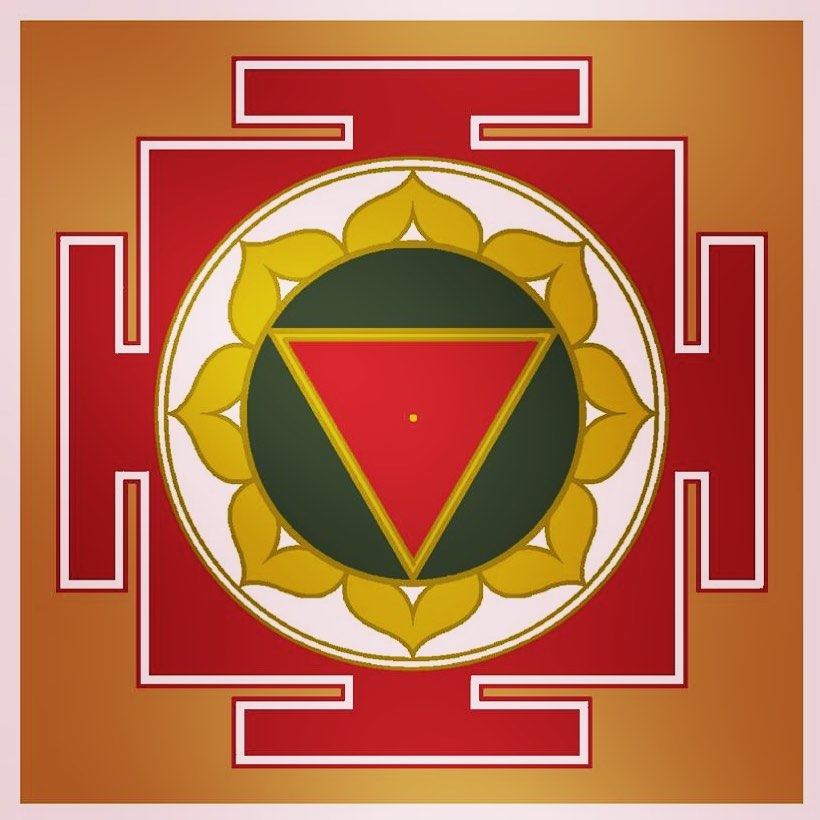
度母是至尊自我的絕對光輝。 她幫助你從有限的身份跨越到無限的自我。 TARA塔拉被描繪成手握著一個頭顱並站在一具屍體上。 骨骼是身體永恆的象徵。 意識也是如此。 之間的一切都在變化。 拿著頭顱象徵著永恆。 屍體讓我們意識到世界的短暫本質。
沒有人願意和一具屍體戰鬥。
當你記住沒有什麼是永恆的這個真理時,
所有的憤怒、嫉妒、仇恨都會消失。
Tara is the absolute radiance of the supreme self. She helps you cross over from your limited identity to the unbounded Self.
Tara is represented as holding a skull and standing on a corpse.
Bones are the symbol of permanence in the body. So also the consciousness. Everything in between changes. Holding a skull symbolizes timelessness.
The corpse brings to our awareness the transient nature of the world. Nobody wants to fight with a corpse. When you remember this truth that nothing is permanent even for a second, all the anger, jealousy, hatred will disappear.

Chandra 的意思是月亮,ghanta 是鈴鐺。 古儒吉說,一百萬顆衛星的美麗存在於我們自己的意識中。 每當我們感到美麗時,我們的意識就會發生轉變。 而那種提昇並展現美的意識就是 Chandraghanta。 月亮和心靈是相連的。 當鈴聲響起時,心智中充滿了那個聲音。 從有聲到寂靜,從寂靜到有聲——當心智隨著鈴聲的響起而搖擺,它最終會消散並停止。 所有其他聲音都消融入其鐘聲(naad)代表了當下的一個心智,它擺脫了所有其他的想法和煩惱。 這樣的心變得清涼、愉悅、輕盈,並像月亮一樣閃耀著美麗。 這是 Devi Chandraghanta 的祝福。

Chandra 的意思是月亮,ghanta 是鈴鐺。 古儒吉說,一百萬顆衛星的美麗存在於我們自己的意識中。 每當我們感到美麗時,我們的意識就會發生轉變。 而那種提昇並展現美的意識就是 Chandraghanta。 月亮和心靈是相連的。 當鈴聲響起時,心智中充滿了那個聲音。 從有聲到寂靜,從寂靜到有聲——當心智隨著鈴聲的響起而搖擺,它最終會消散並停止。 所有其他聲音都消融入其鐘聲(naad)代表了當下的一個心智,它擺脫了所有其他的想法和煩惱。 這樣的心變得清涼、愉悅、輕盈,並像月亮一樣閃耀著美麗。 這是 Devi Chandraghanta 的祝福。
Chandra means moon and ghanta is a bell. Gurudev says that the beauty of a million moons is present in our own consciousness. Whenever we feel beautiful there is a shift in our consciousness. And that uplifting consciousness, which holds and exhibits the beauty, is Chandraghanta.
The moon and the mind are connected. When a bell is rung, the mind is filled with that sound. From sound to silence, silence to sound - as the mind oscillates with the ringing of the bell, it eventually dissolves and comes to a standstill. The one sound(naad) of the bell into which all other sounds dissolve represents a mind in the present moment that is free from all other thoughts and worries. Such a mind becomes cool, pleasant and light and shines with beauty like the moon. This is the blessing of Devi Chandraghanta.

經典上說:靜坐應當觀想Tripurasundari,特里普拉桑達里,他的光芒如無限升起的太陽,紅衣盛裝,冠上月牙,手持甘蔗弓和花箭,刺棒和絞索, 坐在強大的聖輪Sri Chakra上,她是三界的基礎!”

經典上說:靜坐應當觀想Tripurasundari,特里普拉桑達里,他的光芒如無限升起的太陽,紅衣盛裝,冠上月牙,手持甘蔗弓和花箭,刺棒和絞索, 坐在強大的聖輪Sri Chakra上,她是三界的基礎!”
Tripura 指的是三種意識狀態——清醒、深度睡眠和做夢。 Sundari 是一位美麗的化身。 純潔、令人激賞、喜悅、敏感的——所有這些美德構成了美。 美麗喚醒你並帶來活力。 Tripurasundari 是在所有三個狀態中體驗和表達的美。 她也是這三界的見證人。
The scriptures say, “One should meditate upon Tripurasundari, who is radiant like infinite rising suns, garbed in red and fully adorned, bearing the crescent moon on her crown, holding a bow of sugarcane and arrows of flowers, a goad and a noose, seated on the mighty Sri Chakra, she is the substratum of the three worlds!”
Tripura refers to the three states of consciousness – waking, deep sleep, and dream. Sundari is one who is beauty personified. Purity, appreciation, joy, sensitivity – all these virtues constitute beauty. Beauty wakes you up and brings up dynamism. Tripurasundari is the beauty that is experienced and expressed in all the three states. She is also the witness to all the three states.

“Ku”的意思是小,“sh”是能量,“anda”是宇宙領域。 這個宇宙充滿了從最小到最大的能量。 它從小到大,從大到小。 小種子變成果子,從果子裡又長出種子。
古儒吉說,這整個創造,無論是顯化的還是非顯化的,就像一個巨大的圓球或南瓜(也稱為kushmanda庫什曼達)。 順便說一下,它是能量最高的蔬菜。 在這裡它指的是像球體一樣整體和完整的prana(微妙的生命力能量)。 kushmanda庫什曼達表現為我們內在的能量。

當你體驗到自己是一個能量球時,要知道這是母神的這一面向。 你感受到生命中的豐富和充實,看到創造中的每一個粒子都充滿生機和充滿活力。 看到覺醒的智慧在創造中無處不在的顯化是 Devi Kushmanda 的祝福。
‘Ku’ means small, ‘sh’ is energy and ‘anda’ is the cosmic sphere. This universe is pervaded by energy from the smallest to the largest. It moves from small to big and big to small. The small seed becomes the fruit and from the fruit, the seed comes again.
Gurudev says that this whole creation, both manifest and unmanifest, is like a huge round ball or pumpkin(which is also called kushmanda). Incidentally, it is the vegetable with the highest prana. Here it refers to the prana(subtle life force energy) that is total and complete like a sphere. Kushmanda manifests as the prana within us.
When you experience yourself as a ball of energy, know that it is this aspect of the Mother Divine. You feel the abundance and fullness in your life and see every particle in creation as alive and full of prana. Seeing that awakened intelligence manifest everywhere in creation is the blessing of Devi Kushmanda.


Shiva tattva 是一種至福、永遠平靜的原則,從行動中解脫出來。 女神是負責所有活力的原始能量。 她是三種力量的匯合點——Iccha欲望的力量、Kriya 行動力量和 Gnana Shakti知識力量。 當這些力量與 Shiva tattva 結合時,Skanda 就誕生了。 Skandamata 被描繪成騎著獅子,腿上放著孩子 Skanda。 她將實用的智慧和行動結合在一起。 她以純真體現了技巧,以慈悲體現了勇氣。

Devi Bhuvaneshwari被描述為宇宙之母,面容如初升的太陽,皇冠上飾有新月,她的心充滿甜蜜,賜予富足和無畏。
Bhuvana 的意思是世界,Ishwari 的意思是統治者。 她是對整個創造物擁有主權的人。 負責整個世界的有節奏運作並關心每個人的神聖面向是 Bhuvaneshwari。
月亮是心靈的象徵,是她的裝飾品。她維持創造並將思想提升到更高的意識水平,也提升到更高的意識。
The Devi Bhuvaneshwari is described as the queen mother of the universe, with a face glowing like a rising sun, adorned with the crescent moon on her crown, her heart filled with sweetness, bestowing abundance and fearlessness.
Bhuvana means world, and Ishwari means one who rules. She is the one who has lordship over the entire creation. That aspect of the divine which is responsible for the rhythmic functioning of the whole world and cares for every being is Bhuvaneshwari.
The moon is a symbol of the mind and is an adornment for her. She sustains creation and elevates the mind to higher levels of awareness, to a heightened consciousness too.

Shiva tattva 是一種至福、永遠平靜的原則,從行動中解脫出來。 女神是負責所有活力的原始能量。 她是三種力量的匯合點——Iccha欲望的力量、Kriya 行動力量和 Gnana Shakti知識力量。 當這些力量與 Shiva tattva 結合時,Skanda 就誕生了。 Skandamata 被描繪成騎著獅子,腿上放著孩子 Skanda。 她將實用的智慧和行動結合在一起。 她以純真體現了技巧,以慈悲體現了勇氣。
Skanda斯坎達是一名總司令。 古儒吉解釋了軍人母親的自豪感是多麼不同。 通常母親會關心他人,但Skanda斯坎達的母親並不擔心,因為她知道她的兒子會保護地球。 所以充滿自信和自豪的愛是Skandamata的品質。
The Shiva tattva is the blissful, ever calm principle disengaged from action. The Devi is the primordial energy responsible for all dynamism. She is the confluence of the three powers - Iccha, Kriya and Gnana Shakti. When these powers unite with the Shiva tattva, Skanda is born. Skandamata is depicted as riding a lion with the child Skanda on her lap. She brings practical wisdom and action together. She embodies skill with innocence and courage with compassion.
Skanda is a commander-in-chief. Gurudev explains how the pride of a mother of a soldier is very different. Usually motherhood comes with concerns for others but the Mother of Skanda has no worries because she knows her son will protect the planet. So the love with confidence and pride is the quality of Skandamata.
 Tripura Bhairavi 被描述為蓮花般的臉龐閃耀著無限升起的紅色光芒的女神。她戴著頭顱花環,一隻手拿著念珠,另一隻手拿著書,賜予富足和保護。

Tripura Bhairavi 是驅散和保護我們在所有三種意識狀態中免受負面影響的能量。 黑暗的方式只是沒有光,消極性的出現只是由於缺乏覺知(來自正向積極性的高度意識,)。
她被描繪成環繞她周圍的火。 火是淨化器。 她從內到外淨化我們。 Devi Mahishasuramardini 和 Chandi 都是 Tripurabhairavi 的兩種形式。
Tripura Bhairavi is described as the the devi whose lotus-like face glows with the red radiance of infinite rising suns. She wears a garland of severed heads, rosary in one hand and book in the other, bestowing abundance and giving protection.
Tripura Bhairavi is the energy that dispels and protects us from negativity in all the three states of consciousness. The way darkness is simply the absence of light, negativity comes up only due to lack of awareness (from a heightened consciousness, of positivity).
She is depicted with fire all around her. Fire is a purifier. She purifies us from within and outside. Devi Mahishasuramardini and Chandi are both forms of Tripurabhairavi.
 精微的世界是不可見的和不顯化的,以Katyayani卡佳亞尼形式展現的母神統治。 她代表著無法看到或理解的一切。 她是神性最深的、最複雜的秘密背後的力量。

Mahishasura 統治時,眾神聚集在一起向聖母祈禱尋求幫助。 Devi Katyayani 從眾神的憤怒中升起,以恢復平衡,維護正法。
據說,智者的憤怒只會帶來更大的好處,而即使是無知的人的愛也會帶來麻煩。 指向消極和不公正的正義之怒是 Katyayani 的一個方面。 自然災害背後的力量和力量歸功於Katyayani 卡佳亞尼。
她還代表了從尋道者意識的面向產生的能量。 超越感官,理解超越邏輯去看——這種能量就是 Devi Katyayani。
The subtle world, which is invisible and unmanifest, is ruled by the Mother Divine in the form of Katyayani. She represents everything that cannot be seen or understood. She is the force behind the deepest and most intricate secrets of divinity.
When Mahishasura reigned, the gods came together to pray to the Mother Divine for help. Devi Katyayani arose from the anger of the gods in order to restore the balance, to uphold dharma.
It is said that the anger of the wise only brings about greater good while even the love of an ignorant person can cause trouble. The anger of righteousness directed towards negativity and injustice is an aspect of Katyayani. The power and force behind natural disasters are attributed to Katyayani.
She also represents the energy that arises from the Seer aspect of the consciousness. Seeing beyond the senses and knowing beyond logic - this energy is Devi Katyayani.
訂閱:
文章 (Atom)
-
 哈努曼Hanuman甚麼都不想,只想服務羅摩王子Ram。 有一天,哈努曼(Hanuman)問西塔Sita為什麼她用紅點朱砂點在她的額頭眉心上。她告訴他,這是她熱愛羅摩Ram的的標誌。哈努曼得出結論說,朱紅色代表著虔敬奉獻者與神之間的化學反應(愛的精華Rasayan)。哈...
 -
 Rudrabhishekam的意思是要傳達一切都是希瓦, 且包含在 希瓦像中。無希瓦以外。 The meaning of the Rudrabhishekam is to convey that everything is Shiva. 有...
 -
 古儒吉( 若威香卡)Sri Sri Ravi Shankar 說: 「 權力對於那些是為了個人利益而使用它的人來說是毒藥 」 。靈性指引對所有人來說都是如此重要,對那 被賦予權力的人更是。當一個人的覺知擴展,能從更廣闊的視野來看待生命時,不動心自然就會產生,權力就可以被用來有...